
Smoking the Beijing air
Cigarettes are big business in China, which is the world’s largest producer and consumer of tobacco. There are more than 300 million smokers in China. Over 60% of men over 45 smoke, and about 55% of men in general.
Cigarettes are big business in China, which is the world’s largest producer and consumer of tobacco. There are more than 300 million smokers in China. Over 60% of men over 45 smoke, and about 55% of men in general.

Mandarin Chinese has no true equivalents for the English words “yes” and “no”. Although at first it seems complicated (“why can’t they just say yes and no?!”) once you understand it, Mandarin allows for a wide range of subtle responses.

Lots of people were interested in the bird flu pamphlet I translated, so here is the full translation. “…When going out, try to avoid contact with wild birds or going to the habitat of wild birds…”

I got completely out of the habit out wearing seatbelts when I first arrived. Many cabs did not HAVE functional seatbelts. I would automatically reach for a seatbelt and the driver would laugh at me, bewildered as to why I would bother with it.

China’s system of terms of address is complex and much more utilised in common speech than in English. While in English most people are addressed by their given name, very few people will address you by your given name in Chinese.
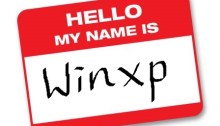
In English, there are recognised names – words that have no meaning on their own, but are simply names. Chinese does not have a set of names like this. There is a set inventory of Chinese surnames, but given names are chosen from existing words.

Chinese new year festivities last two weeks. There are a LOT of new year traditions in China, many of which I’ve participated in one year or another. Fireworks, new year dinner, decorations, fireworks, temple fairs, dumplings, and fireworks.

The toffee fruit vendor chatted to the jian bing vendor, saying “Wow! She speaks pu tong hua [standard Mandarin Chinese]. Like my grandson. He can’t speak our dialect. We speak our dialect to him but he doesn’t pick up much.”
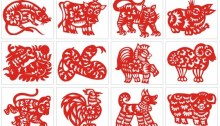
While the Gregorian calendar is used in China, the traditional luni-solar calendar has a lot of influence on daily life. All traditional festivals are governed by the yin li. Many Chinese people mark birthdays by the yin li, not the Western calendar.
 Stories From Tanya